
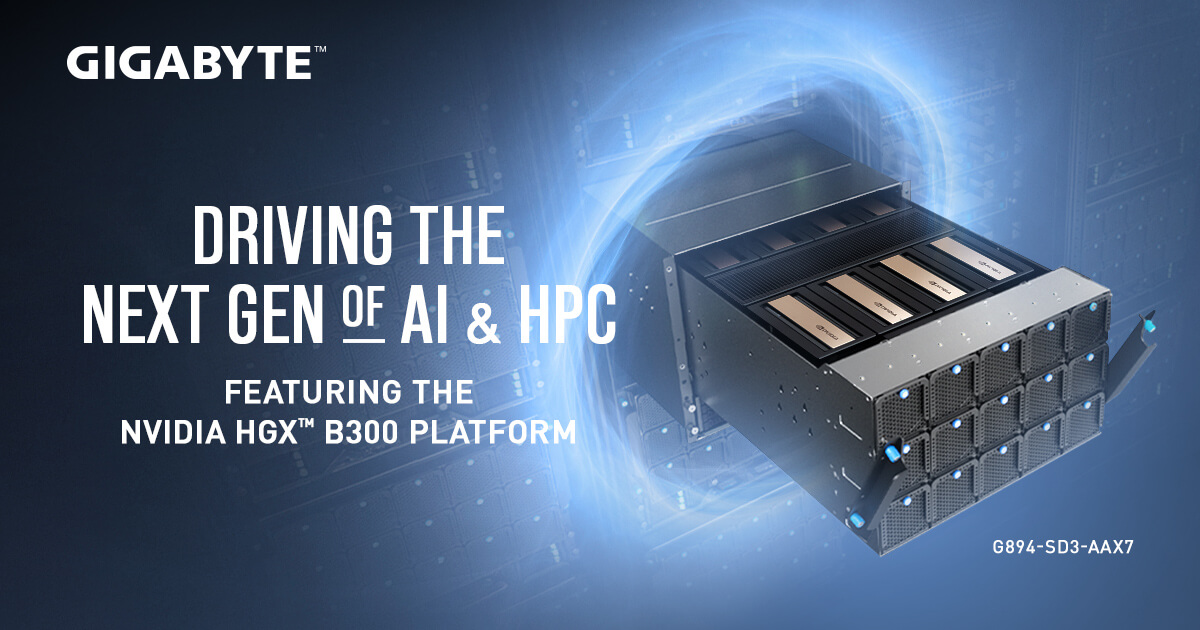
As AI workloads grow exponentially, enterprises are leaning toward NVIDIA HGX B200-based clusters to support large-scale training, inference, and edge computing applications. While these platforms deliver exceptional performance, their deployment introduces significant engineering challenges.
High-density AI data centers push conventional facility design to its limits—requiring new thinking in cooling, power distribution, networking architecture, and infrastructure planning.
Understanding HGX B200 and High-Density AI
The NVIDIA HGX B200 is a next-generation accelerated computing platform optimized for generative AI, large language models, and deep learning workloads. A single rack can contain dozens of GPUs, demanding extremely high compute density and data throughput. This density leads to concentrated heat output and power consumption—far beyond traditional enterprise servers.
Cooling Challenges in AI-Dense Environments
AI accelerators run at high utilization levels for extended periods, making efficient cooling non-negotiable. Key issues include:
- Thermal hotspots are forming rapidly, risking throttling or shutdown
- Rack power density exceeding typical air-cooling capacity
- Continuous operation cycles amplify heat loads
- Emerging Cooling Solutions
- Data centers incorporating HGX B200 systems are increasingly using:
- Liquid cooling (direct-to-chip loops)
- Immersion cooling for ultra-dense racks
- Rear-door heat exchangers for high exhaust temperatures
These technologies allow operators to dissipate multi-kilowatt heat loads per rack efficiently.
Power Supply and Distribution Challenges
AI-focused racks using HGX B200 can draw several kilowatts each. The challenges include:
- Delivering stable high-capacity power
- Managing peak load fluctuations during training cycles
- Ensuring redundancy for uptime
Strategies for Power Optimization
Modern AI facilities adopt:
- High-voltage distribution to minimize power loss
- Smart PDUs with live monitoring
- UPS systems dimensioned for sustained GPU workloads
Networking Challenges
LLM training and multi-node clustering require:
- Ultra-low latency interconnects
- High throughput networking infrastructure
- Massive east-west traffic capability
Traditional networking models struggle under this load.
Networking Innovations
To enable high-density AI clusters, data centers adopt:
- InfiniBand and NVLink fabrics
- RDMA networkingfor faster communication
- Distributed storage architectures to avoid bottlenecks
These technologies allow GPUs to communicate seamlessly across nodes.
Infrastructure and Facility Designs for AI Clusters
AI servers consume:
- More rack space per node
- Additional footprints for cooling systems
Facility redesigns become essential, including raised floors, hot aisle containment, and modular cooling zones.
Monitoring and Operations Efficiency
High-density AI centers require:
- Thermal and power monitoring systems
- AI-based predictive maintenance
- Asset management optimized for growth
Outlook for HGX B200 Data Centers
As demand for generative AI and large-scale training increases, infrastructure must evolve to support higher density, reliability, and efficiency. The future landscape will likely include:
- Wider adoption of immersion cooling
- AI-driven autonomic data center management
- Modular edge computing clusters
Conclusion
Building high-density AI data centers powered by HGX B200 is a complex undertaking that touches every dimension of facility design—cooling, power, networking, and architecture. With thoughtful engineering strategies and emerging cooling and networking technologies, organizations can unlock the full potential of AI acceleration while ensuring long-term efficiency and scalability.